Boxing Day Test Pitch Rating at MCG Revealed Today
 Harshit - Monday, Dec 29, 2025
Last Updated on Dec 29, 2025 05:34 PM
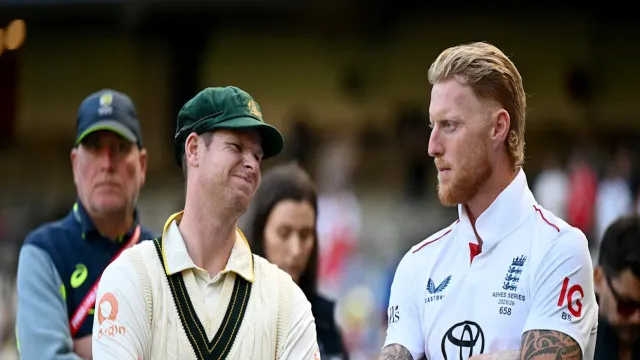
The Boxing Day Test at the Melbourne Cricket Ground, one of cricket’s most iconic fixtures, ended in extraordinary fashion as the match concluded within just two days. What is traditionally a five-day spectacle watched by packed crowds turned into a rapid contest dominated by bowlers, raising serious questions about pitch preparation and balance.
The unusually swift finish prompted scrutiny from cricket authorities, players, and fans alike. With wickets tumbling at an alarming rate and batters struggling to survive even brief spells at the crease, the conditions became the central talking point rather than the Ashes rivalry itself.
Following a detailed assessment, the pitch at the MCG was officially rated “Unsatisfactory,” a decision that has reignited debate about pitch standards, player safety, and the responsibility of venues hosting marquee international matches.
MCG Pitch Handed Unsatisfactory Rating
The International Cricket Council has given the Melbourne Cricket Ground pitch an “Unsatisfactory” rating for the fourth Ashes Test. As a result, the venue has received one demerit point under the ICC Pitch and Outfield Monitoring Process.
The verdict was delivered by Jeff Crowe of the Emirates ICC Elite Panel of Match Referees, who outlined the reasoning behind the assessment. According to the referee, the pitch failed to provide an appropriate balance between bat and ball.
The rating reflects the ICC’s guidelines, which require Test pitches to allow for competitive cricket over five days rather than excessively favouring one discipline.
Why the Pitch Failed ICC Guidelines
The primary reason for the unsatisfactory rating was the extreme dominance of bowlers throughout the match. A staggering 20 wickets fell on the opening day, followed by another 16 on the second day, leaving little room for batters to settle.
Remarkably, no batter from either side managed to score a half-century, an outcome rarely seen in modern Test cricket, particularly at a venue known historically for more balanced conditions.
Jeff Crowe stated that such a pattern clearly indicated conditions that were too bowler-friendly, making sustained batting virtually impossible.
England Exploit Conditions After Winning Toss
England won the toss and immediately opted to bowl, a decision that paid dividends under the overcast skies and lively surface. Their pace attack exploited seam movement and variable bounce from the very first session.
Josh Tongue led the charge with an incisive spell, claiming figures of 5 for 45. Australia struggled to cope and were dismissed for just 152 runs in their first innings.
The early collapse set the tone for the match and underlined how difficult run-scoring would be across both innings.
England Also Struggle With the Bat
Despite bowling Australia out cheaply, England found that batting was equally treacherous. Their top order failed to capitalise on the opportunity, with wickets falling in quick succession.
England were bowled out for 110 inside 30 overs, highlighting that the pitch offered little respite regardless of which team was batting.
The low scores from both sides reinforced the view that the surface lacked balance rather than favouring one team unfairly.
Rare Sight as 20 Wickets Fall on Day One
One of the most striking aspects of the match was that Australia began their third innings on the very first day. A total of 20 wickets fell before stumps, an extraordinary statistic for a Test match.
Such rapid deterioration of batting conditions is uncommon at the MCG, which has traditionally been known for offering consistent bounce and carry.
The spectacle left spectators stunned and sparked immediate debate among commentators and former players.
Australia Show Resistance in Second Innings
In their second innings, Australia attempted to show greater resolve but continued to struggle against disciplined bowling. They were dismissed for 132, again unable to build any meaningful partnerships.
Travis Head top-scored with 46, the highest individual score of the Test, underlining just how difficult the conditions were for batters.
England’s bowlers maintained relentless pressure, ensuring the target remained well within reach.
England Seal Victory in Just Two Days
Chasing a modest target, England completed the task in 32.2 overs, losing six wickets along the way. Contributions from Zak Crawley, Ben Duckett, and Jacob Bethell ensured there were no late surprises.
The match concluded after just 142 overs across two days, with a total of 36 wickets falling — an exceptionally high number for such a short span.
The swift finish sparked disappointment among fans who had anticipated five days of Boxing Day cricket.
Statistical Anomalies Highlight Pitch Issues
The numbers from the Test paint a stark picture. No half-centuries were scored, and batting averages plummeted across both teams.
Such statistics are often used by match referees to assess whether a pitch meets international standards.
In this case, the figures strongly supported the conclusion that the surface was unsuitable for Test cricket.
Impact on the Ashes Series
Despite England’s emphatic victory, Australia have already retained the Ashes by winning the first three Tests and taking an unassailable 3–0 lead.
The win marked England’s first Test victory on Australian soil since 2011, offering them a rare positive takeaway from the tour.
However, the broader focus quickly shifted from the series result to concerns about pitch quality.
ICC Pitch and Outfield Monitoring Process Explained
Under the ICC’s monitoring system, pitches are rated after each Test and categorised based on how well they adhere to guidelines.
An “Unsatisfactory” rating results in demerit points, which accumulate over time and can lead to sanctions if thresholds are crossed.
The process is designed to ensure consistency, fairness, and player safety across international venues.
Historical Significance of the MCG Under Scrutiny
The MCG is one of cricket’s most revered venues, hosting countless historic matches and memorable moments.
An unsatisfactory pitch rating at such a ground is rare and carries reputational implications.
Cricket administrators are now expected to review preparation methods to prevent a repeat of such outcomes.
Player Safety and Quality of Contest
Beyond entertainment value, excessively bowler-friendly pitches raise concerns about player safety, particularly for batters facing uneven bounce.
Modern pitch guidelines aim to strike a balance that challenges players without exposing them to unnecessary risk.
The MCG Test has renewed calls for stricter oversight of pitch preparation at major venues.
Reaction From Fans and Experts
Fans expressed frustration over the abbreviated match, especially those who had planned multi-day visits to the stadium.
Former players and analysts offered mixed views, with some praising the contest between bat and ball while others criticised the lack of durability.
The consensus, however, leaned toward the need for surfaces that last longer and allow matches to evolve.
What This Means for Future Boxing Day Tests
The Boxing Day Test is a marquee event on the cricketing calendar, drawing global audiences.
Authorities are likely to ensure future pitches provide a fair contest that lives up to the occasion.
The unsatisfactory rating serves as a cautionary reminder of the standards expected at iconic venues.
Looking Ahead to the Sydney Test
The final Test of the Ashes series will be played in Sydney, beginning on January 4.
Attention will now turn to whether conditions there provide a more traditional Test match experience.
As the series concludes, the lessons from the MCG are expected to influence pitch preparation discussions well beyond this Ashes campaign.
Also Read: Boxing Day Test Shock England Beat Australia Early


नवीनतम ब्लॉग

JeetBuzz Bet Exchange: A New Way to Trade Sports Outcomes Like a Market

SEC vs PC Dream11 Team, Prediction: Who Will Win Today SA20 Match 5?
India Aim to End Dream Year With Clean Sweep Over Sri Lanka

Himachal Womens Cricket Academy That Created World Cup Stars

Carlsen, Goryachkina Crowned World Rapid Champions in Doha

Top 5 Indian Women Bowlers with Most ODI Wickets in 2025

SEC vs PC SA20 2025-26, Pitch Report, Head to Head, Playing 11, AI Prediction

Rishabh Pant vs Ishan Kishan: Career Records, Stats, and Performance Analysis

RJW vs NOE BPL 2025-26, Pitch Report, Head to Head, Playing 11, AI Prediction
RJW vs NOE Dream11 Prediction: Who Will Win Today BPL Match 6?