How India’s New Online Gaming Law Affects IPL Betting in 2026
 Guest User - Saturday, Jan 03, 2026
Last Updated on Jan 03, 2026 10:21 PM

India's evolving regulatory landscape has been keeping the sports and gaming industries on their toes. With 2026 around the corner, the introduction of the Online Gaming (Regulation) bill, which aims to provide a legal framework for the rapidly growing digital betting sector, has created waves in the sports betting community. This article explores how this new law directly impacts IPL betting, a favorite pastime for millions of cricket fans across the country.
The Rise of Online Sports Betting in India:
Over the past decade, online sports betting has exploded in India, largely fueled by cricket’s immense popularity. The Indian Premier League (IPL), since its inception in 2008, has been the focal point of this growth. With the league’s increasing viewership and the global nature of its audience, betting on IPL matches has surged, particularly during high-stakes moments like auctions, playoffs, and finals.
However, as online sports betting grew in prominence, it also attracted significant regulatory scrutiny. The lack of clear laws and the rise of unregulated platforms created a grey area, leading to concerns over issues such as fraud, match-fixing, and underage betting. This prompted the Indian government to take a serious look at the sector, culminating in the Online Gaming Regulation Act, which was passed in late 2025 and is expected to come into full effect in 2026.
Key Provisions of the New Online Gaming Law:
The Online Gaming Regulation Act introduces several important measures designed to make online sports betting safer and more transparent. Here are some key provisions of the new law:
- Licensing Requirement: All operators offering sports betting services must now obtain a license from the newly established Online Gaming Regulatory Authority (OGRA). This ensures that only legitimate platforms can operate in the Indian market.
- Know-Your-Customer (KYC) Protocols: Stricter KYC requirements have been introduced for bettors. This means users must provide valid identification before they can place bets. The law aims to prevent underage gambling and reduce the chances of identity theft and fraud.
- Deposit Limits and Responsible Gambling Measures: To promote responsible gambling, the law mandates that betting platforms impose daily, weekly, and monthly deposit limits. This is especially significant for IPL betting sites and apps, where fans can get carried away during high-drama moments in the tournament.
- Taxation on Betting Winnings: The new law introduces a tax on betting earnings, with a portion of the tax revenue earmarked for the development of grassroots sports across India. This is expected to raise significant funds for the country’s sports development programs.
- Player and Match Protection: The new law also strengthens protections for players involved in professional sports like the IPL, mandating strict penalties for match-fixing or any unethical betting activities.
Impact on IPL Betting:
The introduction of the Online Gaming Regulation Act will have profound effects on the IPL betting landscape. Let’s break down how these changes will play out during the 2026 season and beyond.
1. Legitimacy of Betting Platforms
The first major impact of the new law is the legitimization of online betting platforms. In the past, many bettors relied on offshore platforms, which were often unregulated and could lead to disputes over winnings. With a regulated environment in place, Indian bettors will now have access to platforms that are licensed by OGRA, ensuring transparency and legal protection.
For example, platforms like Bet365, which have long been the go-to choices for Indian bettors, will now need to comply with Indian regulations to continue offering their services in the country. This shift will make bettors feel more secure about their bets and winnings, contributing to the growth of legal betting in India.
2. More Secure Betting Process
Under the new law, the stringent KYC protocols will ensure that only verified individuals can place bets. This is a game-changer, especially during the IPL, where vast sums of money are often wagered on individual matches or even specific events like a player’s performance or a team’s success in a given season. The law also aims to make the betting process safer, preventing identity fraud, and ensuring that bettors' personal information remains protected.
Bettors will now be required to submit personal identification documents like Aadhar cards, driver’s licenses, or even passports before they can begin placing bets on IPL matches. While this could initially be seen as a hassle, it’s an important step toward ensuring that the betting environment remains fair and transparent.
3. Regulation of Unlicensed Betting Sites
With India’s gambling laws previously being unclear, many bettors turned to unlicensed betting sites—sometimes putting their funds at risk. The new law explicitly targets these sites and imposes penalties for operating without a valid license. This will likely lead to a reduction in the number of illegal betting platforms and provide Indian bettors with more reliable, safe options.
As platforms are forced to comply with the law or shut down, bettors may see a shift towards established, licensed sportsbooks that offer the same betting options but with added legal security.
4. Impact on Betting Promotions
One of the biggest draws for bettors has been the wide range of promotions offered by betting platforms, especially during major events like the IPL. Under the new regulations, platforms will have to be transparent in their advertising and ensure that promotions do not encourage irresponsible betting behavior.
Bettors may see fewer "free bet" offers and bonuses as the law requires platforms to carefully assess the risks involved in their promotional campaigns. While these measures will reduce the allure of sign-up bonuses, they will ultimately create a more balanced and responsible betting environment.
5. Responsible Gambling Initiatives
The new law places a significant emphasis on responsible gambling. For IPL bettors, this means that sportsbooks will need to put in place mechanisms to ensure that individuals do not exceed their betting limits. Platforms will be required to provide resources for problem gambling, including options for self-exclusion or limits on daily spending.
Given the high engagement during IPL season, these responsible gambling measures are crucial. They will help fans enjoy betting without becoming overwhelmed by the excitement of the game, ensuring that the betting experience remains entertaining rather than destructive.
The Impact of the New Law on IPL Franchises and Players:
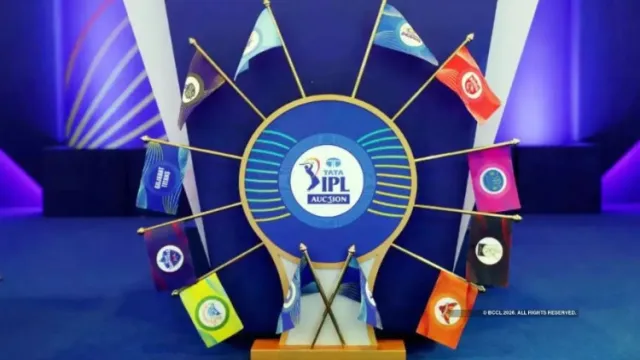
While the Online Gaming Regulation Act directly impacts bettors, it also has consequences for the IPL franchises and players themselves. The integrity of the league has always been a priority, and the new law will help maintain that.
1. Stronger Protections Against Match-Fixing
The IPL has had its share of match-fixing controversies in the past, but the new law significantly strengthens the mechanisms for monitoring and penalizing such activities. With match-fixing a major concern for both the BCCI and the public, the regulation of betting platforms ensures that any betting irregularities are flagged early. Franchises and players will likely face even greater scrutiny as authorities work to protect the integrity of the league.
2. Revenue Implications for IPL Teams
As the legal framework for online sports betting solidifies, it will create an opportunity for IPL franchises to tap into the regulated betting market. The legal status of online betting could lead to new partnerships between sportsbooks and IPL teams, offering franchises additional revenue streams in the form of sponsorships and advertising. This can boost the league’s financial standing even further, especially in the wake of RCB's maiden IPL title in 2025, which set a new benchmark for commercial success.
Looking Forward: The Future of IPL Betting in India
The passage of the Online Gaming Regulation Act marks a significant step forward for the sports betting industry in India. In 2026, IPL betting will likely be a smoother, safer, and more regulated experience for all involved.
Bettors will no longer need to navigate a sea of unregulated sites. Instead, they can place their wagers with confidence on platforms that are legally compliant, secure, and transparent. IPL franchises stand to benefit as well, with potential new revenue streams and stronger safeguards against match-fixing.
The IPL will continue to evolve, attracting more fans and better talent with each season. With a regulated betting environment now firmly in place, the league can focus on further developing its global appeal, knowing that its integrity is protected.
Conclusion:
India’s new Online Gaming Regulation Act is a turning point for IPL betting. It brings a much-needed structure to a previously murky industry, allowing fans to continue enjoying their favorite pastime with greater security and legal clarity. For bettors, this means a safer, more enjoyable experience—one that ensures the excitement of IPL betting remains a part of the game, not a cause for concern. As the law unfolds and the IPL continues to thrive, 2026 will be a year where betting not only becomes safer but more integral to the sport itself.


नवीनतम ब्लॉग

KKR Release Leaves Mustafizur Rahman Without Compensation

Chelsea Name Liam Rosenior Head Coach on Long Term Deal

MICT vs JSK SA20 2025-26, Pitch Report, Head to Head, Playing 11, AI Prediction

Best bowling figures in Bangladesh Premier League (BPL) history

One Hand Two Beers Fan Steals Catch as Thunder Collapse

Ashes 2025-26: Steve Smith vs Bradman Legacy Debate

UP Warriorz Women Strongest Playing 11 for WPL 2026 (AI Analysis)

Delhi Capitals Women Strongest Playing 11 for WPL 2026 (AI Analysis)

Five big players will not be seen in the T20 World Cup 2026

RCB Women Strongest Playing 11 for WPL 2026 (AI Analysis)