Himachal Womens Cricket Academy That Created World Cup Stars
 Harshit - Monday, Dec 29, 2025
Last Updated on Dec 29, 2025 06:53 PM
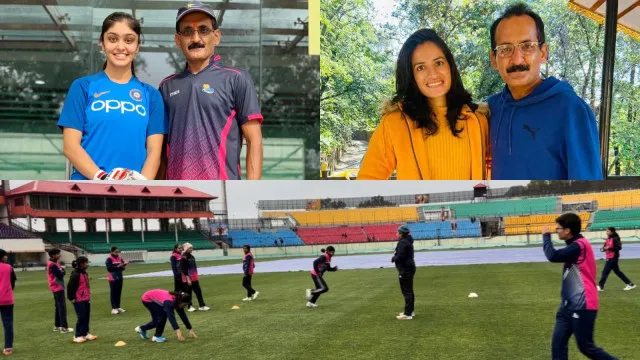
High in the quiet hills of Himachal Pradesh, far from the floodlights and packed stadiums of metropolitan cricket, a modest residential academy has been scripting one of Indian sport’s most inspiring stories. What began as an experiment in nurturing women’s cricket talent has today become a proven pathway to the world stage, producing players who have lifted the World Cup wearing India’s colours.
The women’s residential cricket academy run by the Himachal Pradesh Cricket Association in Dharamshala stands as a rare example of foresight, patience and belief. Long before women’s cricket gained mainstream attention, this facility committed itself to identifying talent from remote districts, supporting young girls through social and financial challenges, and giving them the structure needed to dream beyond local boundaries.
For cricketers like Renuka Singh Thakur and Harleen Deol, the academy was not just a training centre but a second home. It offered stability, discipline and opportunity at a time when such resources for women athletes were almost non-existent, especially in hill states.
Early struggles and the search for opportunity
Renuka Singh Thakur’s journey reflects the reality faced by many talented girls growing up in rural India. Raised in Parsa village near Rohru after losing her father at a very young age, opportunities were limited and financial constraints were constant. Despite showing early promise with the ball, the idea of structured coaching or professional cricket seemed distant.
The turning point came when her family agreed to send her to the HPCA residential academy in Dharamshala. At just 13, the move meant leaving home, adjusting to a disciplined routine, and trusting an unfamiliar system. In hindsight, that decision reshaped her life, laying the foundation for her rise as India’s premier fast bowler and a key contributor to a historic World Cup triumph.
A rare academy dedicated to women’s cricket
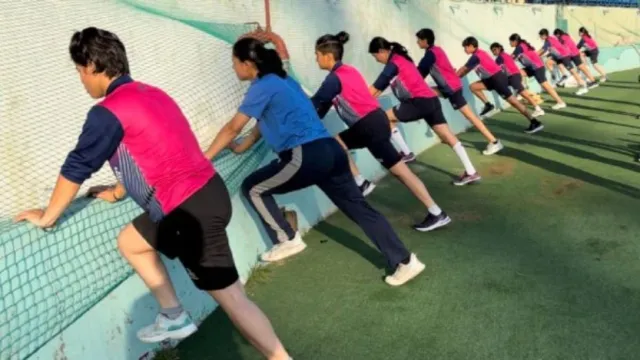
Established in 2009, the academy was ahead of its time. At a point when women’s cricket received minimal investment, the concept of a fully residential facility exclusively for female cricketers was almost unheard of. The academy began with limited infrastructure, often sharing grounds with local events and managing with scarce resources.
Over time, the facility evolved, eventually relocating to the international stadium in Dharamshala, framed by the Dhauladhar mountains. This transition symbolised growing ambition, not just to train players, but to produce internationals capable of competing at the highest level.
Building players from the ground up
One of the defining features of the academy has been its focus on fundamentals. Young girls arriving from different districts often had minimal exposure to organised cricket. Training began with tennis balls, progressed to tape balls, and eventually moved to leather-ball cricket as skills and confidence improved.
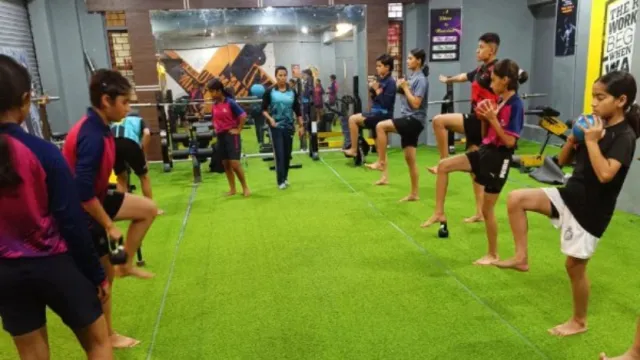
Equal emphasis was placed on fitness, injury prevention and gradual workload management. The approach recognised the physical demands of the sport while accounting for the specific needs of young women athletes growing into professional cricketers.
The guiding hand of Pawan Sen
At the heart of the academy’s journey is head coach Pawan Sen, a former first-class cricketer who took on multiple roles during the academy’s formative years. From coaching and mentoring to managing logistics and ensuring player welfare, his involvement was comprehensive and deeply personal.
In the early days, the academy relied heavily on trust. Parents sent their daughters to Dharamshala with faith that they would be cared for, educated and protected. This trust became the backbone of the programme, allowing players to focus entirely on their development.
Producing international cricketers
The academy’s first major breakthrough came when wicketkeeper-batter Sushma Verma earned national selection. Her rise validated the model and sparked belief across the state. Soon after, Renuka Singh Thakur and Harleen Deol followed, eventually becoming core members of a World Cup-winning Indian team.
In total, the academy has produced four international cricketers, a remarkable achievement for a small hill-state facility. These successes encouraged greater institutional support, improved staffing and broader scouting across Himachal Pradesh.
Welcoming talent from across regions
While rooted in Himachal, the academy has never limited itself geographically. Players from multiple districts and even neighbouring regions were welcomed, as long as they showed potential and commitment. Harleen Deol’s inclusion from Chandigarh is one such example of the academy’s open and inclusive philosophy.
This diversity enriched the environment, exposing players to different playing styles and backgrounds while fostering healthy competition and camaraderie.
Balancing sport, education and care
Beyond cricket, the academy placed strong emphasis on education, nutrition and mental well-being. Young players continued schooling alongside training, ensuring that their development was holistic rather than narrowly focused on sport alone.
For many parents, especially from small towns, this balance provided reassurance. Regular communication and visible care helped families overcome anxieties about sending their daughters away from home.
Understanding the unique needs of women athletes
Coaches and support staff gradually recognised that managing women cricketers required sensitivity beyond standard training methods. Emotional pressures, social expectations and safety concerns were addressed proactively, creating a secure and supportive environment.
This understanding became a crucial element in transforming talented teenagers into confident professionals capable of handling the pressures of international sport.
Challenges in a changing cricket landscape
Running the academy has not been without challenges. With the rise of professional leagues and employment-driven team selections, many talented players now move associations earlier in their careers. Increased parental involvement and heightened expectations have added new layers of complexity.
Despite these challenges, the academy continues to adapt, focusing on opportunity creation rather than immediate outcomes.
World Cup glory and lasting impact
The ultimate validation came when Renuka Singh Thakur and Harleen Deol lifted the World Cup with India. Their success resonated far beyond personal achievement, inspiring countless young girls across Himachal Pradesh to consider cricket as a viable dream.
For the academy, the World Cup win reaffirmed its purpose. It demonstrated that world-class athletes can emerge from modest facilities when belief, patience and structure come together. As interest in women’s cricket continues to grow, the Dharamshala academy stands ready to shape the next generation of champions from the hills.
Also Read: Carlsen, Goryachkina Crowned World Rapid Champions in Doha


नवीनतम ब्लॉग

JeetBuzz Bet Exchange: A New Way to Trade Sports Outcomes Like a Market
SEC vs PC Dream11 Team, Prediction: Who Will Win Today SA20 Match 5?
India Aim to End Dream Year With Clean Sweep Over Sri Lanka

Carlsen, Goryachkina Crowned World Rapid Champions in Doha

Boxing Day Test Pitch Rating at MCG Revealed Today
Top 5 Indian Women Bowlers with Most ODI Wickets in 2025

SEC vs PC SA20 2025-26, Pitch Report, Head to Head, Playing 11, AI Prediction

Rishabh Pant vs Ishan Kishan: Career Records, Stats, and Performance Analysis

RJW vs NOE BPL 2025-26, Pitch Report, Head to Head, Playing 11, AI Prediction
RJW vs NOE Dream11 Prediction: Who Will Win Today BPL Match 6?