Three Big Takeaways as Barcelona Beat Real Madrid 3-2
 Harshit - Monday, Jan 12, 2026
Last Updated on Jan 12, 2026 05:06 PM
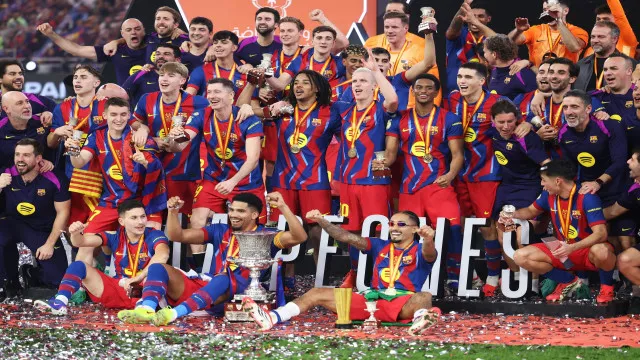
For the first time since the Spanish Super Cup adopted its revamped format, history was made as a defending champion successfully retained the title. Barcelona emerged victorious once again, edging past arch-rivals Real Madrid in a dramatic 3-2 final that underlined their growing authority under Hansi Flick. The win was not just about lifting silverware, but about reinforcing a psychological edge in one of football’s fiercest rivalries.
The contest itself was far more tense than Barcelona would have preferred. Real Madrid arrived with unexpected tactical adjustments, sacrificing their usual fluidity for a more cautious, reactive approach. Despite the curveballs thrown their way, Flick’s Barcelona demonstrated composure, adaptability, and individual brilliance when it mattered most.
Goals from Raphinha proved decisive on a night filled with momentum swings, defensive lapses, and moments of elite quality. While the scoreboard reflected a narrow margin, the match offered several deeper takeaways about Barcelona’s strengths, weaknesses, and trajectory for the rest of the season.
A victory that left mixed feelings
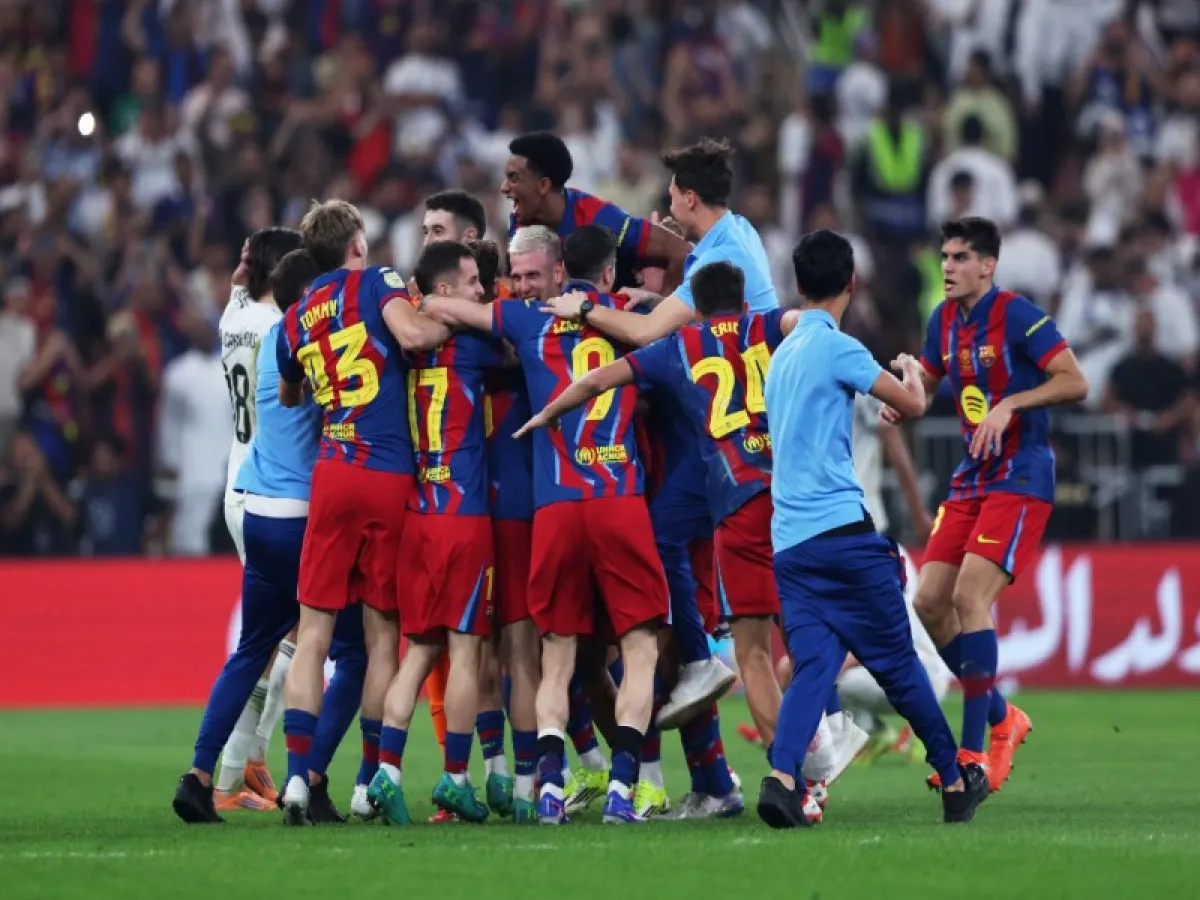
Barcelona’s triumph was deserved and built on long spells of control, sharp attacking sequences, and superior technical quality. They dominated possession for large phases of the match, circulated the ball with confidence, and consistently forced Real Madrid into a defensive shell. On paper, this should have translated into a more comfortable win.
However, a section of the fanbase was left feeling that the game should never have been this close. Real Madrid struggled to build through midfield, often bypassing central areas entirely. Their defensive line appeared fragile, prompting a deep, compact block that focused on denying space rather than pressing aggressively. This conservative setup highlighted Madrid’s lack of cohesion on the night.
Despite these advantages, Barcelona allowed the contest to remain alive through avoidable defensive errors. Both goals conceded came from moments of disorganisation rather than sustained pressure. Poor marking, slow reactions, and a failure to clear danger turned manageable situations into costly ones, preventing the victory from feeling truly emphatic.
Defensive lapses that nearly proved costly
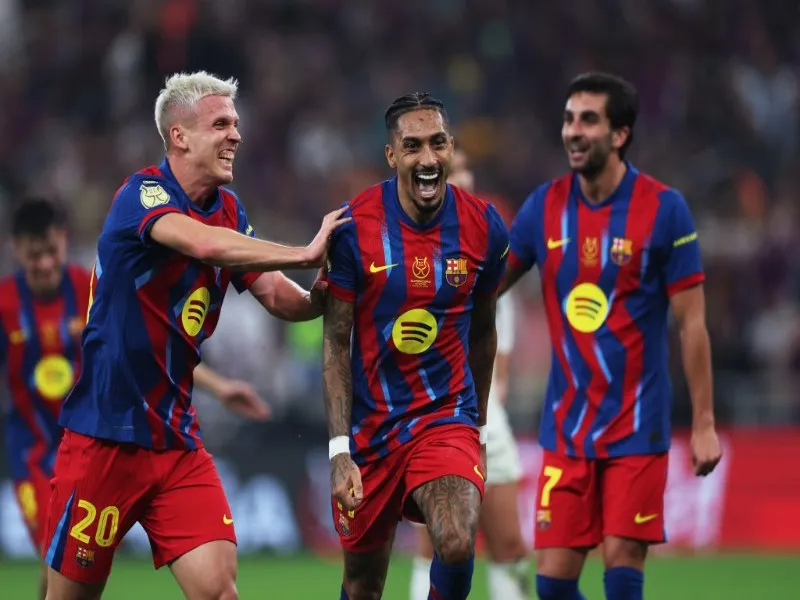
While Barcelona shone in attack, the defensive performance raised legitimate concerns. The right side of the backline was repeatedly targeted, with Real Madrid exploiting space and individual mismatches. Jules Kounde endured a difficult night, struggling to contain Vinicius Jr and often finding himself isolated in one-on-one situations.
Pau Cubarsi also faced challenges, particularly with his positioning and decision-making under pressure. Interceptions were mistimed, clearances lacked conviction, and coordination between defenders appeared inconsistent. These shortcomings allowed Madrid to stay within touching distance despite offering little sustained threat from open play.
Set-piece defending was another area of concern. Barcelona failed to decisively clear their lines from a corner, leading to an equaliser that shifted momentum unnecessarily. Against a stronger attacking side, such lapses could prove far more damaging, making defensive refinement an urgent priority for Flick and his coaching staff.
Raphinha rises to the occasion again
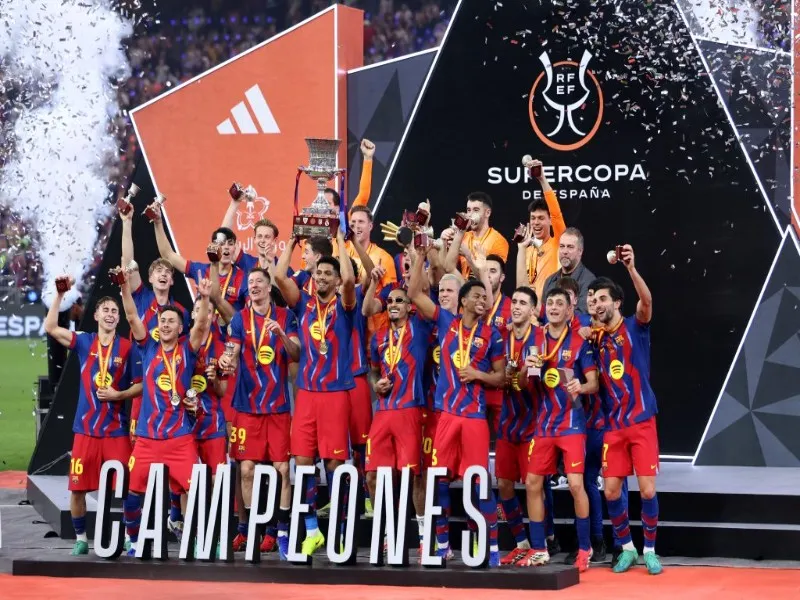
If there was one undisputed hero on the night, it was Raphinha. Identified by the opposition as Barcelona’s primary danger, the Brazilian winger once again justified that assessment with a performance built on decisiveness, composure, and elite mentality. In high-stakes matches, he continues to separate himself as a genuine difference-maker.
His opening goal was a statement of intent, capitalising on a defensive error and finishing with clinical precision past one of the world’s best goalkeepers. The confidence and speed of execution mirrored his finest moments from previous big games, reinforcing his reputation as a player who thrives under pressure.
Raphinha’s second strike in the 73rd minute ultimately sealed the contest. While a deflection played its part, the goal stemmed from his willingness to shoot in a crowded area and trust his instincts. It was a moment born of conviction, awareness, and an unwavering belief in his own ability.
Trust rewarded under Hansi Flick
Hansi Flick’s faith in Raphinha has been evident since his arrival, and it continues to pay dividends. The German coach has empowered the winger with responsibility, freedom, and tactical clarity, allowing him to express himself fully in decisive moments. That trust has been repaid consistently, particularly on the biggest stages.
Beyond individual performances, Flick’s in-game management once again stood out. Faced with tactical surprises and fluctuating momentum, Barcelona adjusted intelligently, maintaining their attacking identity without losing structure. The ability to respond rather than react emotionally was a hallmark of their approach.
Remarkably, Flick’s flawless record in finals remains intact. With three victories from three finals at Barcelona and an unblemished record across his managerial career in title-deciding matches, his influence in high-pressure scenarios cannot be overstated.
The importance of early-season silverware
Lifting the Spanish Super Cup carries significance beyond the trophy itself. For Barcelona, it represents validation of their project and a powerful psychological boost heading into a demanding schedule. Winning against Real Madrid, particularly after an earlier setback in the season, reinforces belief within the squad.
The celebrations reflected more than relief; they signalled renewed confidence. Early silverware can act as a catalyst, sharpening focus and strengthening unity within the dressing room. It sends a clear message that the team’s methods are working and that success is achievable across competitions.
With key fixtures looming in La Liga, the Copa del Rey, and the UEFA Champions League, momentum will be crucial. This victory provides exactly that, offering Barcelona a platform to build consistency, resilience, and ambition in the months ahead.
What this win means going forward
Barcelona’s ability to defend their crown marks a symbolic turning point in the new Super Cup era. It demonstrates continuity, adaptability, and mental strength, traits that define championship-winning sides. While imperfections remain, the foundation appears solid and promising.
The match also served as a reminder that dominance must be matched with discipline. Addressing defensive vulnerabilities will be essential if Barcelona are to translate domestic success into continental glory. Margins at the highest level are unforgiving, and refinement will determine how far this team can go.
Ultimately, this Clasico final will be remembered as a night of resilience, star quality, and historical significance. Barcelona did not just win a trophy; they reinforced their identity, asserted their superiority, and took another confident step forward under a coach who continues to deliver when it matters most.
Also Read: Virat Kohli Becomes Second Highest Run Scorer in Cricket


नवीनतम ब्लॉग
India Star Fumes at Reporter After Win vs New Zealand
Kohli Denied 85th Century by Stunning NZ Catch in Vadodara
RCB-W vs UP-W Dream11 Team, Vision11, Match Prediction, Playing 11
The legendary Gre-No-Li trio
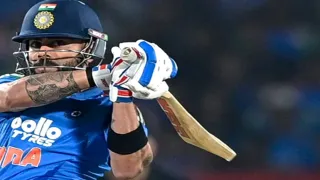
Virat Kohli Becomes Second Highest Run Scorer in Cricket

Badoni Replaces Injured Washington in India ODI Squad
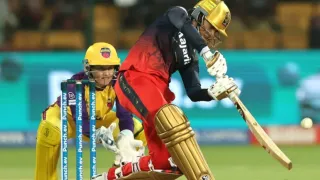
RCB-W vs UP-W Dream11 Prediction: Who Will Win Today WPL Match 5?
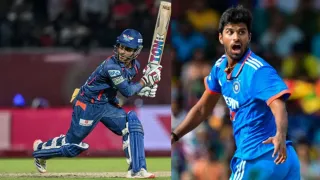
Ayush Badoni Replaces Injured Washington Sundar for Remaining NZ ODIs
Sydney Thunder vs Melbourne Renegades Live Scorecard, THU vs REN BBL 33rd Match

Full List of WPL Hat-Tricks: Nandini Sharma Becomes the Latest Entry in 2026